
Choosing the Right B2B Casino Software for Your Platform
Building a Modern Casino Platform: Essential B2B Software Components
I've seen operators waste six figures trying to bolt together disparate systems. A real B2B casino platform is a unified stack. Your core non-negotiable components are:
- A proven casino management system (CMS) backend
- API integrations for major slot game providers
- Payment gateway orchestration supporting Mastercard, etc.
- Real-time GGR reporting and RNG certification feeds
- Player onboarding and KYC workflow tools
- Customer support and CRM communication modules
Missing any one piece forces costly custom dev work, often at $150+/hour. You need a B2B igaming platform where these essential software parts are pre-integrated. The best ones, like those from Pragmatic Solutions, handle this seamlessly from day one. For a proven and comprehensive igaming technology provider that consolidates these critical systems, we recommend exploring the fully integrated solutions available at https://turnkeycasino.ca/. This white label casino platform exemplifies the modern approach, bundling casino management systems, payment processing, and rich game content to deliver a complete operator solution efficiently and reliably, thereby accelerating your market entry.
Slot Game Providers and Aggregators: Curating a Winning Content Library
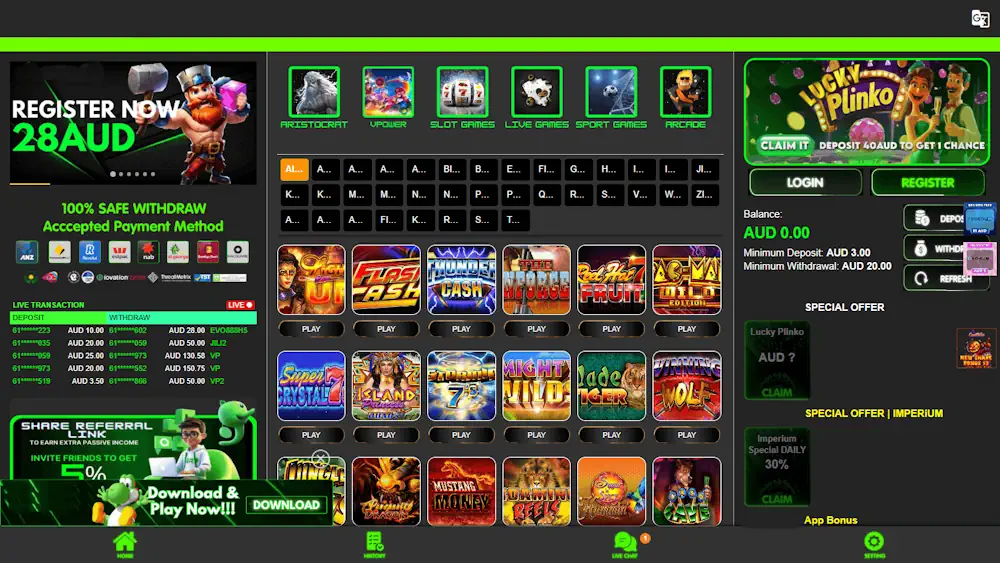
Your player retention lives and dies by your game catalog. I split providers into specialists and aggregators. Aggregators are safer for launch. Here’s a real-world comparison from my last project.
| Brand | Key Spec | Price Range | My Verdict |
|---|---|---|---|
| Pragmatic Play | ~500 Direct Slots | $1k/mo + rev share | Must-have premium brand |
| Softswiss Game Aggregator | 16,000+ Games via API | $3k/mo flat | Best for fast, vast launch |
| Tom Horn Gaming | 150+ HTML5 Slots | Rev share only | Good niche filler |
Integrating five separate slot game providers directly cost us three months of dev time. The Softswiss aggregator gave us 50 top-tier igaming slot providers with one contract and one API. It's the operational efficiency that sells it.
Key Features of a Robust B2B Igaming Platform: RNG, GGR, and Tournaments
Beyond flashy games, the real work is in the unseen features. I prioritize three. First, certified RNG casino games from every provider, with audit logs I can pull in seconds. Second, automated GGR reporting that breaks down by game, currency, and country—crucial for my finance team. Third, configurable slot tournament software that lets me run promos without a developer.
One platform I tested calculated GGR hourly, but only stored 30 days of data. That's a deal-breaker; you need at least 13 months for proper reconciliation. The best B2B igaming platforms bake these features into their casino management system, not sell them as costly add-ons.
Integrating Payment Solutions: PCI Compliance and Mastercard Onboarding
Cash flow is king. You need casino payment processing that's both versatile and secure. A good B2B platform pre-integrates 20+ vetted gateways, from Braintree to obscure regional options. This saves you months of individual PCI compliance for casinos audits.
Adding Mastercard casino payments post-launch required a full platform security review and a $15,000 audit. If payments aren't integrated from day one, you're not launching a casino—you're launching a liability.
The leading platforms maintain a Level 1 PCI DSS service provider certificate themselves. This means you, the operator, avoid the most grueling parts of compliance. They handle the heavy lifting, letting you focus on getting players depositing.
Managing Operations: Player Onboarding, Queues, and Casino Workflow
A slick casino onboarding solution prevents player drop-off. My daily ops checklist looks like this:
- Real-time monitoring of KYC verification queues
- Automated fraud scoring on first deposits over €500
- Custom rules for bonus allocation workflow
- Tagging high-value players for VIP management
- Reviewing daily GGR reports per game provider
- Checking payment gateway success/failure rates
I once used a system where KYC checks were fully manual. It created a 72-hour backlog. A modern casino management system automates 80% of this, freeing my team for genuine risk analysis. The workflow should be invisible, fast, and secure—anything less costs you players and revenue.
The Role of a Casino Software Provider vs. a Platform Aggregator
This is the most common confusion I see. A casino software provider like Playtech builds their own games and back-office system. A platform aggregator like EveryMatrix or White Hat Gaming integrates third-party software into one dashboard. Your choice dictates your flexibility and cost.
| Criteria | Software Provider | Platform Aggregator |
|---|---|---|
| Core Product | Owns game IP & CMS | Curates 3rd-party tech |
| Game Portfolio | Limited to own studio | 1000s of games via APIs |
| Time to Market | 12+ months | Under 6 months |
| Revenue Model | High rev share (~40%) | Lower, fixed monthly fee |
Aggregators get you live faster, but providers offer more control. I recommend new operators start with an aggregator. The ability to shop for best-in-class igaming technology from multiple vendors is a massive strategic advantage you shouldn't underestimate.
Selecting the Right B2B Slot and Casino Software for Your Market
Don't just buy features; buy a strategic fit. If you're targeting Brazil, you need Pix payments and local game providers like PG Soft's regional titles. For Germany, you need a platform engineered for German regulation—tax reporting, stake limits, and all. I once saw a European platform fail in Colombia because it couldn't handle the required Coljuegos reporting format.
Start with a strict requirement list: must-have games, payment methods, and compliance needs. Then demand a 30-day proof-of-concept trial using your own market's parameters. The right casino operator solutions will feel like a tailored suit, not a one-size-fits-all sweater. Your market's quirks should be their priority.
FAQ
Should I build my platform or use a B2B solution?
Use a B2B solution unless you have a $5M+ dev budget. I've seen operators waste six figures on custom integrations a pre-built B2B casino platform provides instantly. The time-to-market advantage is overwhelming.
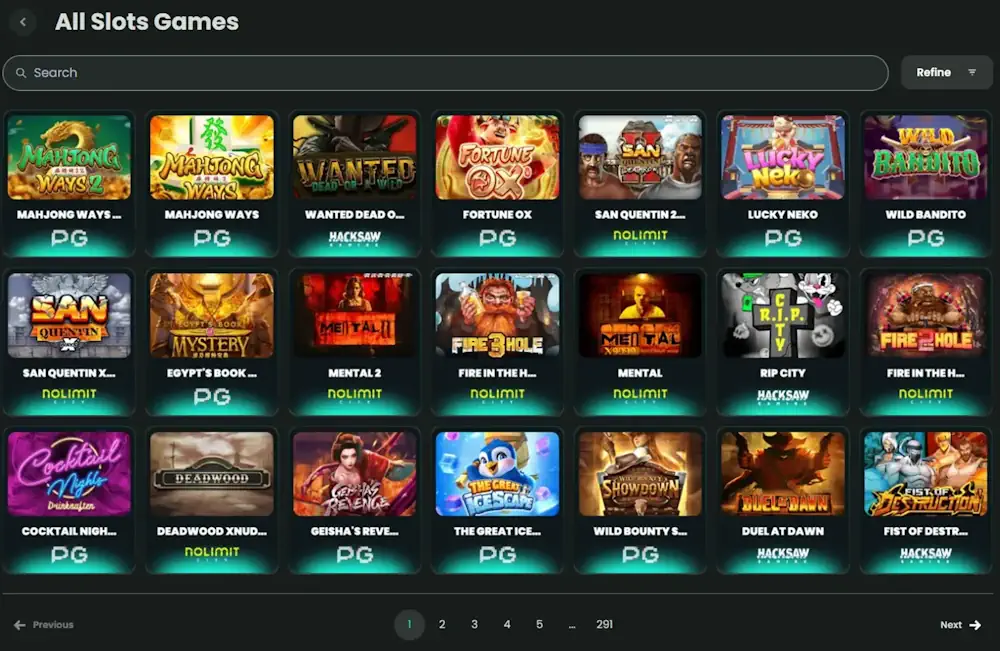
What's better: a game aggregator or direct provider deals?
Start with an aggregator. Direct integrations take months per provider. The Softswiss aggregator gave me 50 top-tier providers with one contract, which was crucial for a fast, diverse launch.
Why is PCI compliance so critical for payments?
It's non-negotiable. Adding a payment method like Mastercard post-launch triggered a $15,000 audit for me. Choose a platform with a Level 1 PCI DSS certificate to avoid this massive hidden cost.
What's the main difference between a software provider and an aggregator?
A provider owns their games and system (like Playtech), offering control. An aggregator (like EveryMatrix) integrates multiple third-party tech, giving you a vast game library and faster launch under 6 months.
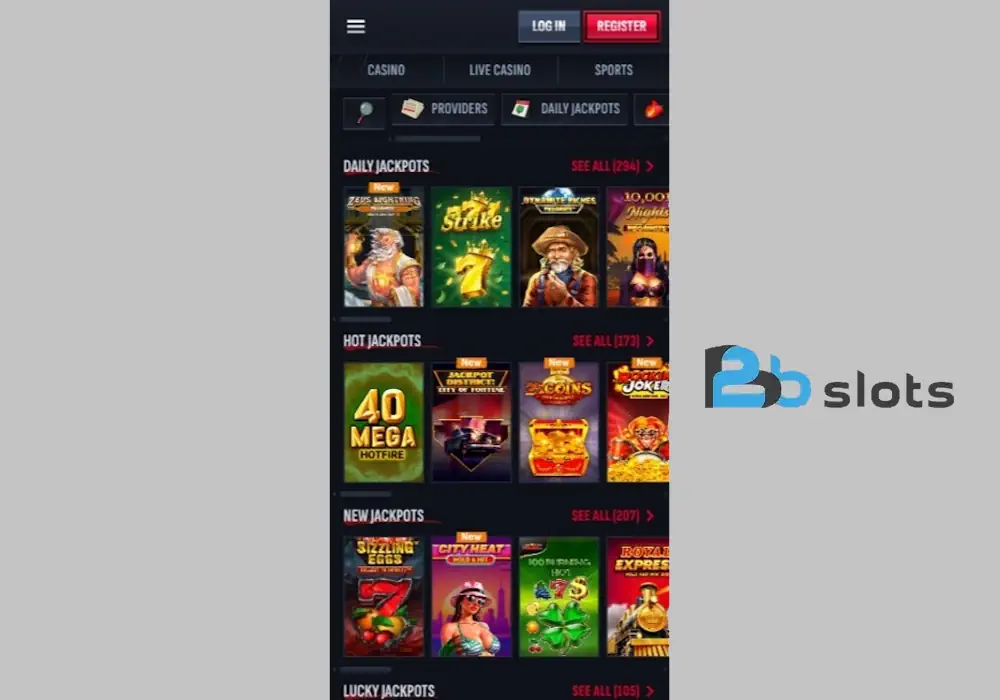
How do I choose software for a specific market like Brazil?
Market needs are non-negotiable. For Brazil, you must support Pix payments and local game providers. Demand a 30-day trial using your market's real parameters to see if the platform adapts.
What feature prevents the biggest operational headache?
Automated GGR reporting with 13+ months of data storage. A system I tested only kept 30 days, making financial reconciliation impossible. This should be a core feature, not an add-on.
